Polymeric Sand Restoration Services Overview
Visitors can learn about how local contractors restore and maintain polymeric sand for improved outdoor surfaces.
- - Homeowners seeking to restore and improve the appearance of paved walkways, patios, and driveways.
- - Property managers or commercial clients needing professional polymeric sand restoration for large or high-traffic surfaces.
- - Individuals comparing local contractors specializing in polymeric sand repair and maintenance services.
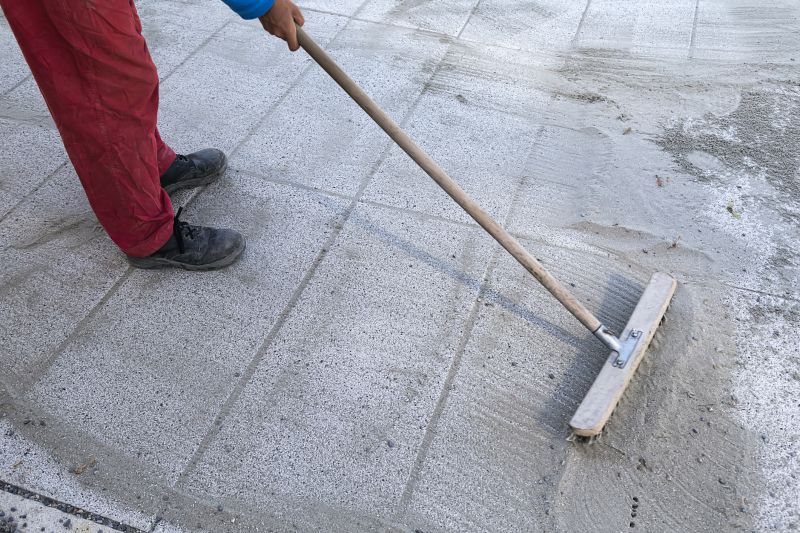
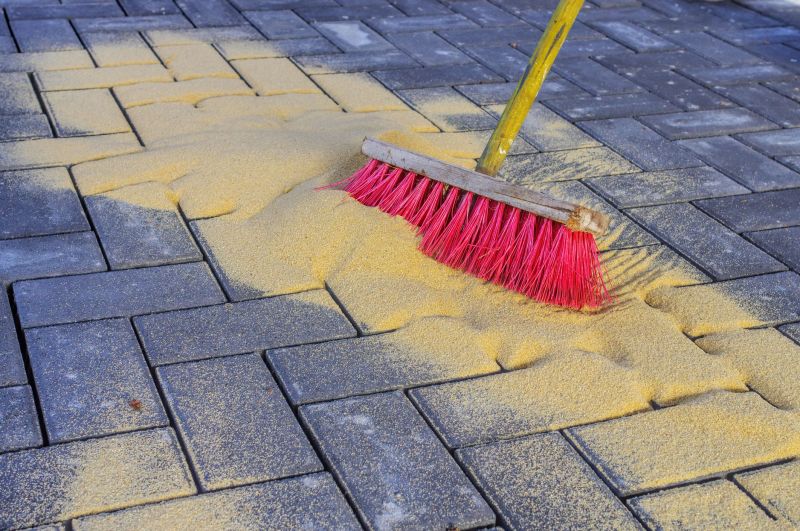
Polymeric sand restoration services are essential for maintaining the stability and appearance of paved surfaces such as patios, walkways, and driveways. Over time, polymeric sand can become dislodged, washed out, or develop weeds and moss, leading to uneven joints and compromised structural integrity. Property owners seeking to restore their paved areas often look for experienced local contractors who specialize in cleaning, reapplying, and sealing polymeric sand to ensure the joints remain solid and visually appealing. These professionals typically assess the condition of existing joints, remove damaged or degraded sand, and carefully install new polymeric material to help prolong the lifespan of the paved surface.
Local service providers in this field are equipped to handle a variety of restoration needs, from minor repairs to complete overhauls. They understand the importance of proper preparation and application techniques to achieve durable results. Property owners can expect these contractors to evaluate their specific situation, recommend appropriate solutions, and execute the work efficiently. Whether addressing issues caused by weather, heavy foot traffic, or age, local pros aim to help keep paved surfaces safe, functional, and attractive through expert polymeric sand restoration services.
This guide provides helpful information to understand the process of Polymeric Sand Restoration and what to consider when planning a project. It assists in comparing local contractors and service providers who specialize in this service, making it easier to find suitable options nearby. The content aims to prepare homeowners with the basics needed to connect with qualified local professionals for their specific needs.